
Table of Contents
Shipping goods through Dubai is not just about moving cargo from one country to another. It’s about managing two critical pillars of logistics that determine success or failure:
- Freight Forwarding
- Customs Clearance
Many businesses confuse these two—or assume one automatically covers the other. In reality, they are distinct, equally important elements of the shipping process, especially in a high-volume global hub like Dubai.
This comparison guide explains Customs Clearance vs Freight Forwarding, how they work in Dubai, how they differ, when you need each, and why choosing the right logistics partner can save you time, money, and compliance risk.
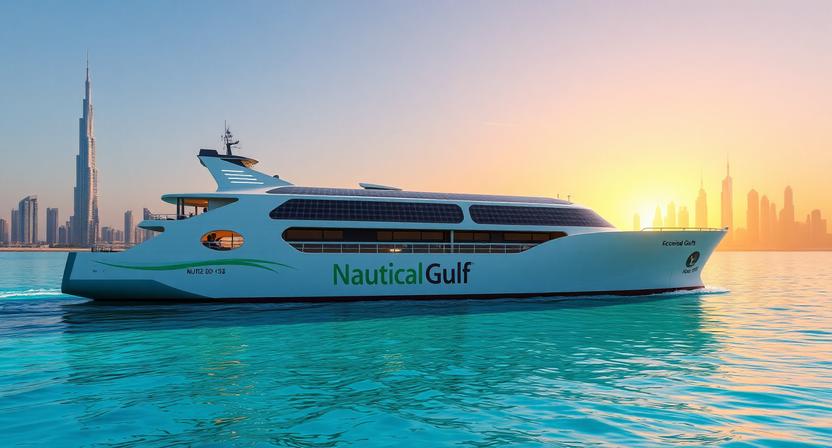
Dubai is a global logistics powerhouse due to:
- Jebel Ali Port (largest port in the Middle East)
- Dubai International Airport & Al Maktoum International Airport
- Multiple Free Zones (JAFZA, Dubai South, DAFZA)
- Advanced digital customs systems
- Strategic access to GCC, Africa, Europe, and Asia
Because of this complexity, freight forwarding and customs clearance must work in perfect sync.
Freight forwarding is the strategic planning and coordination of cargo movement from origin to destination.
A freight forwarder in Dubai handles:
- Carrier selection (shipping lines / airlines)
- Route optimization
- Container booking (FCL / LCL)
- Air freight booking
- Transshipment planning
- Multimodal transport (sea + land + air)
- Warehousing coordination
- Delivery scheduling
In simple terms:
Freight forwarding answers: “How does the cargo move?”
Customs clearance is the legal and regulatory process of getting cargo approved by Dubai Customs for import or export.
Customs clearance in Dubai includes:
- HS code classification
- Import/export declarations
- Duty & VAT calculation
- Inspection coordination
- Document verification
- Compliance with UAE laws
- Release approval from Dubai Customs
In simple terms:
Customs clearance answers: “Is the cargo legally allowed to move?”
| Aspect | Freight Forwarding | Customs Clearance |
|---|---|---|
| Purpose | Cargo movement | Legal approval |
| Focus | Logistics & routing | Compliance & regulations |
| Authority | Shipping lines, airlines, agents | Dubai Customs |
| Risk | Delays, costs, transit issues | Fines, seizure, rejection |
| Skill Required | Logistics expertise | Regulatory expertise |
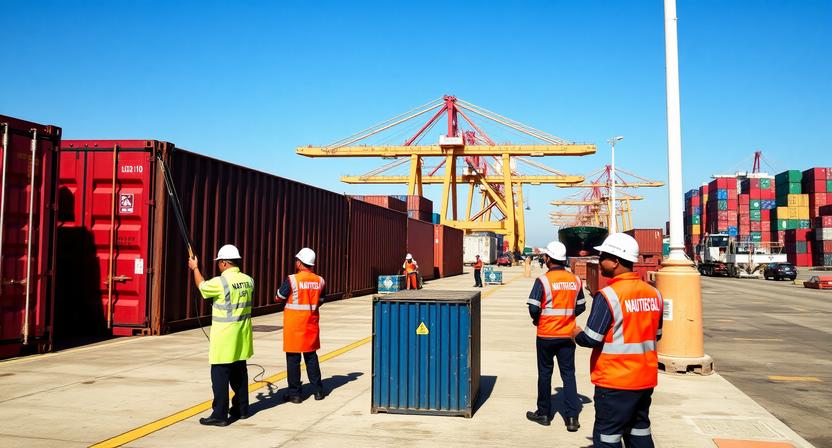
Dubai handles millions of shipments annually. Even small errors can cause:
- Demurrage & detention charges
- Customs penalties
- Cargo seizure
- Missed delivery deadlines
- Business reputation damage
In Dubai, freight forwarding without proper customs clearance is useless, and customs clearance without efficient freight forwarding is expensive and slow.
- Route Planning
- Direct vs transshipment routes
- Cost vs time optimization
- Mode Selection
- Sea freight (FCL / LCL)
- Air freight
- Road freight (GCC)
- RO-RO (vehicles)
- Carrier Negotiation
- Freight rates
- Space availability
- Seasonal pricing
- Cargo Handling
- Container selection
- Packing guidance
- Special cargo planning
- Delivery Coordination
- Port handling
- Free zone delivery
- Final-mile transport
- HS Code Accuracy
- Correct classification
- Avoiding misdeclaration penalties
- Duty & VAT Compliance
- Import VAT (5%)
- Duty exemptions in free zones
- Document Verification
- Commercial invoice
- Packing list
- Certificate of origin
- Bill of lading / AWB
- Inspection Handling
- Red channel inspections
- Physical cargo checks
- Sample testing (if required)
- Release Authorization
- Final approval from Dubai Customs
- Cargo release note
Many businesses choose cheap forwarders who do not have strong customs expertise. This leads to:
- Cargo stuck at port
- Incorrect HS code penalties
- Delayed inspections
- Storage & demurrage charges
- Missed delivery schedules
In Dubai, this mistake is costly because port charges accumulate daily.
Some businesses hire separate agents for customs only. This often results in:
- Poor coordination with carriers
- Missed vessel cut-offs
- Inefficient routing
- Higher freight costs
- Delivery delays
Dubai logistics requires end-to-end orchestration, not fragmented services.
👉 Neither works without the other.
However:
- For time-sensitive cargo, freight forwarding efficiency matters more.
- For regulated or high-value cargo, customs clearance accuracy matters more.
The best solution is choosing a company that does both under one roof.
- Freight forwarding handles RO-RO or container booking
- Customs clearance handles vehicle import approval, VIN checks, duty & VAT
- Freight forwarding plans breakbulk or flat rack
- Customs clearance manages HS classification & inspections
- Freight forwarding manages transshipment
- Customs clearance handles re-export documentation
Leading logistics companies in Dubai integrate:
- Freight booking
- Customs filing
- Port coordination
- Warehouse handling
- Final delivery
This integration reduces:
- Costs
- Delays
- Compliance risk
- Communication gaps
Nautical Gulf provides:
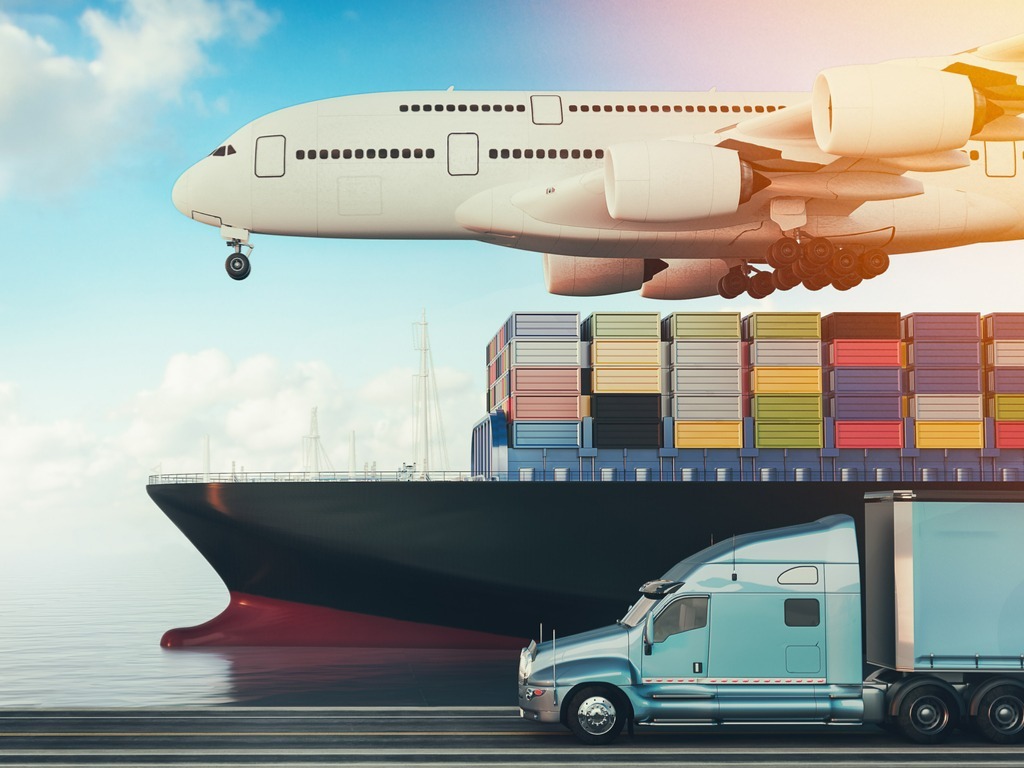
- Complete freight forwarding (Sea, Air, RO-RO, Land)
- Licensed Dubai customs clearance
- Strong experience in:
- Car shipping
- Machinery
- General cargo
- GCC & Africa routes
- Transparent pricing
- Dedicated operations team
- Local Dubai expertise
This dual capability is exactly what modern Dubai trade requires.
Choose a company that:
- Is licensed in Dubai
- Handles both freight & customs
- Has experience with your cargo type
- Offers transparent pricing
- Understands Dubai port systems
- Has a global agent network
- Provides real-time updates
No. Freight forwarding manages logistics; customs clearance manages legal approval.
Yes. Reputed companies like Nautical Gulf provide integrated services.
Customs errors cause the most delays, followed by poor freight planning.
Yes. All imports and exports require clearance from Dubai Customs.
Insurance is optional but strongly recommended.
In Dubai’s fast-paced logistics environment, choosing between freight forwarding and customs clearance is the wrong question.
The right question is:
Does your logistics partner excel at both?
If you want smooth shipping, faster clearance, lower risk, and professional handling, working with a company that integrates both services—like Nautical Gulf—is the smartest move.
