

Table of Contents
Dubai stands as one of the world’s most strategic global trade gateways. With its advanced ports, airports, and free zones, the city processes millions of shipments every year. But behind every successful shipment entering or leaving Dubai, there is one critical local authority-driven role that determines speed, compliance, and cost — a customs clearance agent in Dubai.
This guide is written to help importers, exporters, traders, and logistics decision-makers understand what a customs clearance agent does, why they are essential in Dubai, how the clearance process works, costs involved, risks avoided, and how to choose the right agent for long-term success.
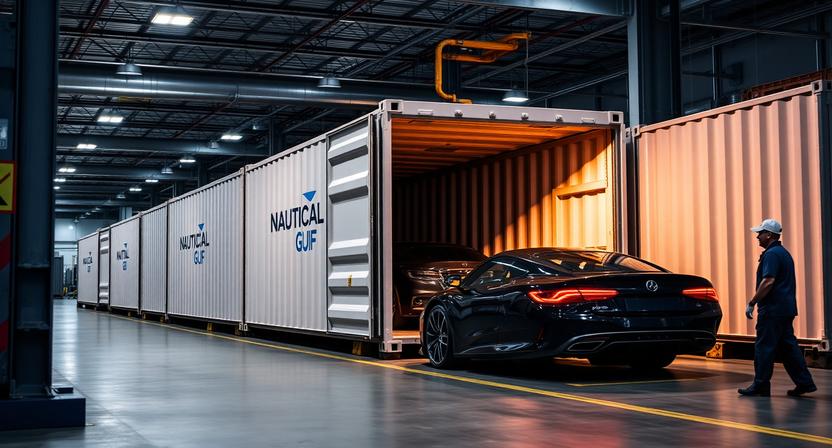
A customs clearance agent is a licensed professional authorized to represent importers and exporters before Dubai Customs. Their role is to ensure that shipments comply with UAE customs laws, regulations, and documentation requirements.
Unlike basic freight handling, a customs clearance agent:
- Submits legal declarations to Dubai Customs
- Classifies goods using correct HS codes
- Calculates customs duties and VAT
- Manages inspections and approvals
- Prevents delays, penalties, and cargo holds
In Dubai’s highly regulated trade ecosystem, customs clearance agents act as the bridge between businesses and government authorities.
Dubai is not just another port city — it is a global logistics nerve center. Because of this, customs procedures are fast, digital, but extremely strict.
Without a professional customs clearance agent, businesses risk:
- Incorrect declarations
- Overpayment or underpayment of duties
- Shipment delays at Jebel Ali or Dubai Airport
- Cargo inspections and holds
- Legal penalties or seizure of goods
A skilled agent ensures speed, accuracy, and full compliance.
Customs clearance agents are essential for:
- Importers bringing goods into the UAE
- Exporters shipping globally from Dubai
- Businesses operating in free zones
- E-commerce sellers shipping cross-border
- Automotive importers
- Machinery and project cargo handlers
- Food, pharmaceutical, and regulated goods traders
Whether shipping occasionally or daily, clearance agents protect business continuity.
Before cargo arrives, the agent verifies:
- Commercial invoice
- Packing list
- Bill of lading or air waybill
- Certificate of origin
- HS code classification
- Import/export permits
This step eliminates future delays.
Cargo arrives at:
- Jebel Ali Port
- Port Rashid
- Dubai International Airport (DXB)
- Al Maktoum International Airport (DWC)
Cargo cannot move until clearance is approved.
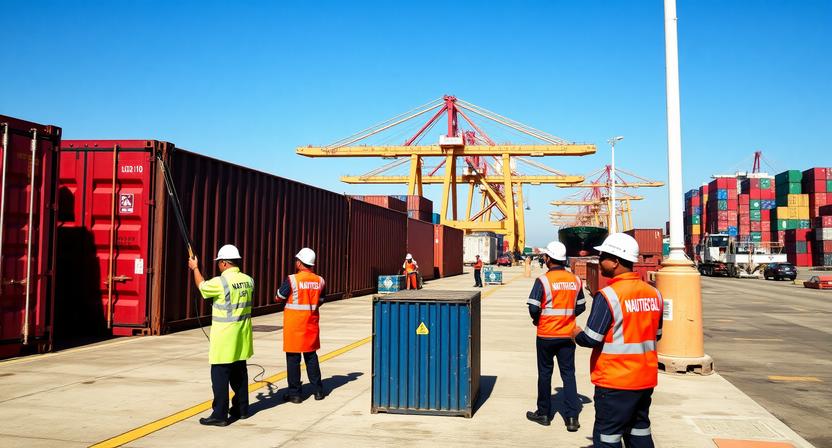
The customs clearance agent submits electronic declarations through Dubai Customs systems, ensuring:
- Correct valuation
- Accurate HS codes
- Legal compliance
- Proper tax calculation
Dubai Customs uses automated risk systems. Shipments may go through:
- Green channel (instant clearance)
- Yellow channel (document review)
- Red channel (physical inspection)
An experienced agent manages inspections professionally.
The agent calculates and coordinates payment of:
- Import duty
- VAT
- Any additional fees
Avoiding overpayment or compliance issues.
Once approved, the shipment is released for delivery to:
- Warehouse
- Free zone
- Retail outlet
- Export consolidation point
Import clearance is required when goods enter the UAE for:
- Local consumption
- Distribution
- Manufacturing
- Free zone storage
- Electronics
- Machinery
- Auto parts
- Textiles
- Furniture
- Food items
Agents ensure compliance with UAE import laws and product standards.
Export clearance ensures goods leaving Dubai comply with:
- UAE export laws
- Destination country requirements
- International shipping regulations
Dubai’s export system is fast, but accuracy remains critical.
Dubai free zones include:
- JAFZA
- DMCC
- Dubai South
- DAFZA
Free zone clearance involves:
- Duty suspension
- Re-export documentation
- Inter-zone transfers
Professional agents prevent unnecessary tax payments.

Certain goods require special approvals:
- Food products
- Pharmaceuticals
- Cosmetics
- Chemicals
- Batteries
- Used machinery
- Alcohol & tobacco
Customs clearance agents manage government approvals efficiently.
Businesses attempting clearance alone often face:
- Incorrect HS codes
- Missing permits
- Valuation disputes
- Shipment delays
- Storage charges
- Fines or penalties
Agents prevent costly mistakes.
Average timelines:
- Air freight: 1–2 working days
- Sea freight: 2–4 working days
- Land cargo: 1–3 working days
Delays mostly occur due to documentation errors — avoidable with agents.
Costs depend on:
- Cargo type
- Shipment value
- Clearance complexity
- Duty & VAT
- Inspection requirements
Professional agents provide transparency and cost control.
- Faster cargo release
- Regulatory compliance
- Lower risk exposure
- Predictable shipping timelines
- Reduced operational stress
For businesses, this means scalability and peace of mind.
Look for:
- Dubai Customs registration
- Local operational experience
- Knowledge of UAE regulations
- Transparent communication
- Ability to handle complex cargo
- End-to-end logistics support
A strong local presence matters.
Dubai’s customs success is driven by:
- Advanced digital clearance systems
- Efficient risk profiling
- Business-friendly regulations
- Strategic global location
This makes expert handling even more important.
Customs clearance works best when combined with:
- Freight forwarding
- Warehousing
- Distribution
- Last-mile delivery
End-to-end logistics improves efficiency and reduces costs.

A company like Nautical Gulf understands Dubai’s customs ecosystem deeply. With strong local knowledge and international shipping expertise, Nautical Gulf supports businesses with reliable customs clearance services that ensure speed, compliance, and seamless cargo movement across borders.
A customs clearance agent in Dubai is not just a service provider — they are a strategic logistics partner. In a city where trade moves fast and regulations are strict, expert clearance determines success or failure.
Businesses that invest in professional customs clearance gain faster deliveries, lower risks, and long-term operational stability in Dubai’s competitive trade environment.
