

Table of Contents
A reliable chronic pain specialist is a medical professional dedicated to the diagnosis, evaluation, and treatment of all types of pain. These specialists utilize a multidisciplinary approach to manage complex pain conditions that have persisted beyond the typical healing time. In Hyderabad, trusted pain management specialists such as Dr. Purohithi are known for diagnosing, treating, and managing chronic pain conditions effectively. These experts serve as a critical link in the healthcare chain, often collaborating with neurologists, orthopedists, and physical therapists to provide comprehensive care. By focusing on both interventional procedures and non-invasive therapies, these specialists aim to restore functional ability and improve the overall quality of life for patients suffering from persistent discomfort.
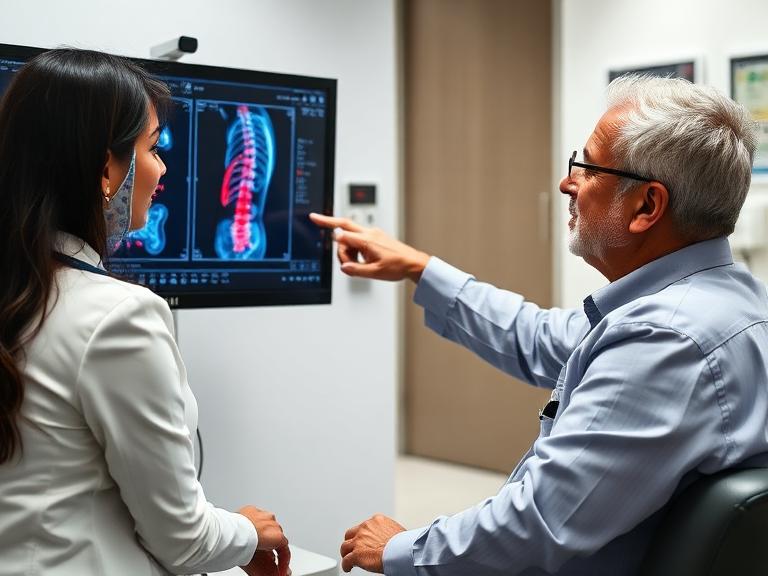
A pain management specialist is a physician who has undergone specific fellowship training to treat pain as a primary condition rather than just a symptom. Unlike general physicians who may treat acute pain (such as a temporary infection or minor injury), a pain specialist focuses on the complexities of chronic pain—defined as pain lasting longer than three months.
The scope of their work involves:
- Comprehensive Assessment: Identifying the exact physiological source of pain through physical exams and diagnostic imaging.
- Interventional Procedures: Performing precise, minimally invasive treatments such as nerve blocks, epidural injections, and radiofrequency ablation.
- Medication Management: Optimizing pharmacological protocols while minimizing the risk of side effects or dependency.
- Coordination of Care: Leading a team that may include psychologists and physical therapists to address the emotional and physical components of pain.
While a general physician focuses on the underlying illness, a pain specialist focuses on how that illness manifests as pain and how to interrupt the pain signals traveling to the brain.
Seeking the expertise of a specialist is often the turning point for patients who have “tried everything.” The benefits of specialized care extend beyond simple symptom suppression.
Many patients suffer for years because the root cause of their pain—such as a specific nerve compression or a myofascial trigger point—has been overlooked. Specialists use advanced diagnostic blocks to confirm the source of pain before initiating long-term treatment.
No two patients experience pain the same way. A specialist designs a roadmap tailored to the patient’s age, lifestyle, and medical history, ensuring that the intervention matches the severity of the condition.
By utilizing image-guided technology (such as fluoroscopy or ultrasound), specialists ensure that interventions are performed with pinpoint accuracy, significantly reducing the risk of injury to surrounding tissues.
The ultimate goal is the restoration of function. Specialist care focuses on helping patients return to work, enjoy hobbies, and maintain social connections, which are often lost to chronic pain.
Specialists prioritize treatments that address the cause of pain, thereby reducing the need for long-term oral medications that may have systemic side effects on the liver, kidneys, or gastrointestinal tract.
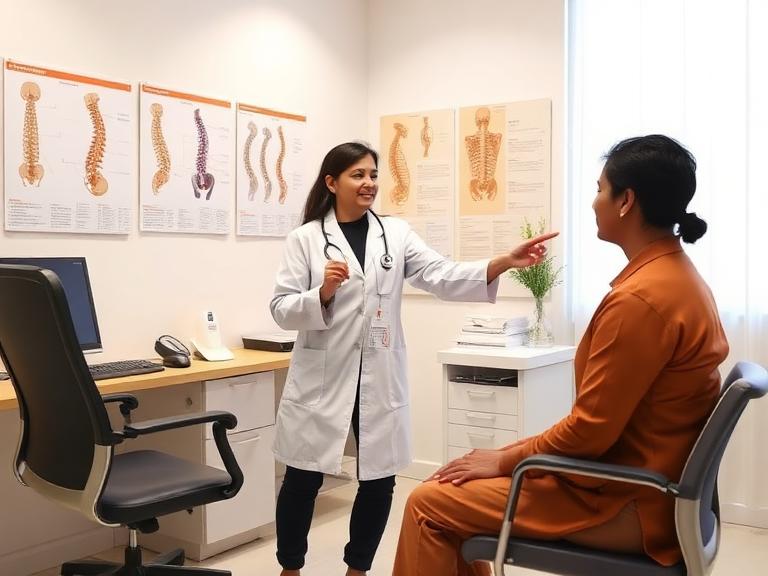
Pain management specialists treat a wide array of conditions originating from various systems in the body.
This includes degenerative disc disease, herniated discs, spinal stenosis, and spondylolisthesis. Many patients in Hyderabad seek specialist care for “failed back surgery syndrome,” where pain persists even after a surgical intervention.
Specialists manage osteoarthritis and rheumatoid arthritis affecting the knees, hips, and shoulders. Interventional treatments can often delay the need for joint replacement surgery by reducing inflammation and pain levels.
Chronic migraines and tension-type headaches that do not respond to over-the-counter medication are managed through specialized nerve blocks or Botox protocols designed for pain relief.
Conditions like diabetic neuropathy, post-herpetic neuralgia (shingles pain), and trigeminal neuralgia involve damaged or malfunctioning nerves. Specialists use neuromodulation and specific nerve-targeting therapies to soothe these “misfiring” signals.
Persistent pain following major surgery or pain resulting from oncological conditions requires sensitive, high-level management to ensure patient comfort and dignity.
Hyderabad has emerged as a major healthcare hub in India, characterized by a sophisticated medical infrastructure. The city hosts numerous multispecialty hospitals and dedicated pain clinics equipped with modern diagnostic and interventional tools.
In recent years, there has been a significant shift in patient expectations in Hyderabad. Individuals are moving away from the “rest and medicate” philosophy toward “active recovery.” There is a growing demand for non-surgical interventions that allow for a quicker return to professional life, particularly among the city’s large IT and corporate workforce.
The prevalence of chronic pain in Hyderabad is often linked to lifestyle factors. Sedentary office roles contribute to a high incidence of cervical and lumbar spondylosis. Conversely, the aging population in areas like Secunderabad and Jubilee Hills increasingly seeks help for degenerative joint conditions.
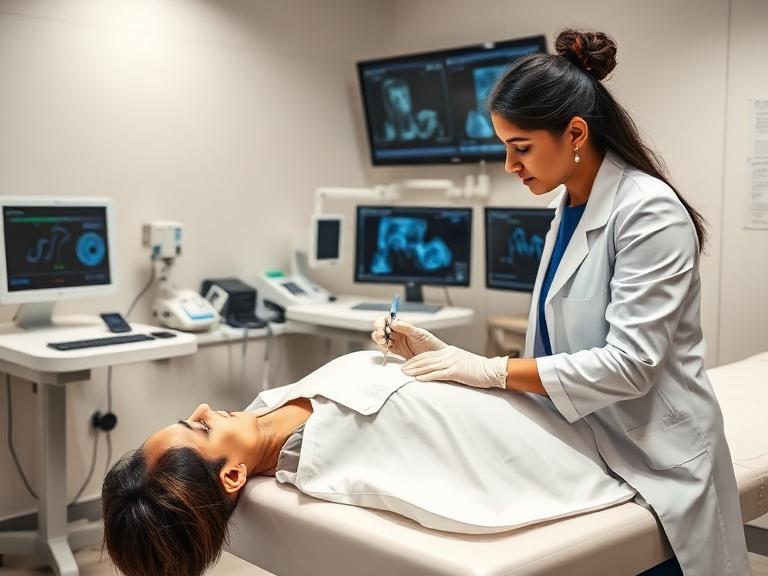
Selecting the right physician is a critical decision that impacts your recovery trajectory.
- Credentials and Experience: Ensure the doctor is board-certified and has specific fellowship training in pain medicine.
- Multidisciplinary Approach: A good specialist does not rely on a single treatment modality but offers a range of options including physical therapy and behavioral support.
- Patient Testimonials: Reviews can provide insight into a doctor’s bedside manner and the effectiveness of their clinic’s follow-up care.
- Transparent Explanations: The specialist should be able to explain the “why” behind a treatment in clear, non-technical language.
- Technology Utilization: Look for clinics that use advanced imaging for procedures to ensure safety and precision.
As a pain management specialist, Dr. Purohithi follows a structured, evidence-based protocol designed to achieve sustainable results.
The process begins with an exhaustive clinical evaluation. This involves reviewing the patient’s medical history, analyzing previous imaging (MRI/CT scans), and conducting a physical exam focused on neurological and musculoskeletal function.
Based on the diagnosis, a stepped care plan is developed. This usually starts with conservative management and escalates to more advanced interventional therapies only if necessary. This ensures the most “least invasive” effective treatment is prioritized.
Dr. Purohithi utilizes a variety of techniques, including:
- Fluoroscopy-guided injections for precision.
- Radiofrequency Neurotomy for long-term joint and back pain relief.
- Regenerative medicine options where clinically appropriate.
- Pharmacotherapy optimization to ensure medication safety.
Treatment does not end with a procedure. Continuous monitoring and patient education on posture, ergonomics, and home-based exercises are integral to preventing the recurrence of pain.
It is advisable to consult a specialist if you meet any of the following criteria:
- Pain Persisting > 3 Months: When pain transitions from acute to chronic, the nervous system can become “sensitized,” making it harder to treat later.
- Limited Daily Activity: If pain prevents you from sleeping, working, or performing basic self-care.
- Failure of Standard Therapies: If physical therapy, rest, and over-the-counter NSAIDs have provided no relief after 4-6 weeks.
- Complex Pain: If you have pain in multiple areas or pain accompanied by numbness, tingling, or weakness.
- Self-Medicating: Over-reliance on painkillers can lead to “rebound headaches” or organ damage.
- Ignoring Early Symptoms: Small aches in the back or neck can evolve into chronic radiculopathy if the underlying mechanical issue isn’t addressed.
- Not Following Treatment Plans: Skipping physical therapy or home exercises often leads to the failure of interventional procedures.
- Seeking Surgery Too Early: Many conditions can be managed effectively without surgery. A pain specialist can often provide an alternative to invasive operations.
The integration of specialized pain medicine into a patient’s life yields measurable improvements:
- Pain Intensity Reduction: Significant lowering of the “Pain Score” (0-10 scale).
- Improved Mobility: Increased range of motion and the ability to walk longer distances.
- Mental Health Benefits: Chronic pain is closely linked to depression and anxiety; reducing pain often alleviates these psychological burdens.
- Economic Stability: Effective management allows patients to return to work, reducing the financial strain of long-term disability.
Hyderabad features several highly qualified pain specialists. When searching for the best care, look for doctors with specific fellowship training in Interventional Pain Management. Specialists like Dr. Purohithi are recognized for their comprehensive approach to spinal and neurological pain, combining advanced technology with patient-centric care.
Pain management doctors treat a wide spectrum of issues including chronic back pain, sciatica, herniated discs, osteoarthritis, migraines, complex regional pain syndrome (CRPS), and nerve-related pain such as diabetic neuropathy. They also manage post-operative pain and pain associated with cancer.
You should see a pain specialist if your pain has lasted more than three months, if your primary doctor’s treatments aren’t working, or if the pain is severe enough to interfere with your ability to work or sleep. If you are experiencing radiating pain, numbness, or weakness, a specialist evaluation is necessary.
Yes, when performed by a qualified specialist using image guidance (like X-ray or ultrasound), these procedures are considered very safe. They are typically minimally invasive, meaning they involve smaller incisions (or just needles) and lower risks compared to traditional open surgery.
The modern approach to pain management focuses on “opioid-sparing” techniques. While specialists may use medications as part of a broader plan, the goal is usually to find interventional or non-addictive pharmacological solutions to reduce or eliminate the need for opioids.
Treatment duration varies. Some patients experience significant relief after a single injection, while others with complex conditions may require a series of treatments over several months combined with physical therapy. Chronic pain management is often a journey of “management” rather than a one-time “fix.”
Absolutely. By reducing the intensity of pain and calming the nervous system, patients find it easier to participate in physical therapy and daily exercise, which in turn strengthens muscles and improves joint mobility and overall well-being.
Yes, pain management is highly beneficial for the elderly, especially for managing age-related conditions like spinal stenosis and osteoarthritis. Specialists tailor treatments to be gentle and account for other health conditions or medications the patient may be taking.
To book a consultation, you can visit the official clinic website or contact the facility directly through their verified Google Business Profile. Most specialists in Hyderabad require a prior appointment to ensure enough time for a thorough initial evaluation.
Non-invasive options include specialized physical therapy, TENS (Transcutaneous Electrical Nerve Stimulation), pharmacological management with nerve stabilizers, cognitive behavioral therapy for pain, and lifestyle modifications involving diet and ergonomic adjustments.
