
Table of Contents
If you have lived in Chennai for even a single summer, you know that the “weather” isn’t just a conversation starter—it is a lifestyle negotiator. From the salt-laden breeze of Besant Nagar to the intense, humid heat of T. Nagar, the environment dictates when we eat, how we travel, and most importantly, how we move. For the aspiring yogi, the question “What is the best time for yoga in Chennai weather?“ is a matter of both tradition and biological safety.
The definitive answer for Chennai is the Brahma Muhurta, specifically between 5:30 AM and 7:00 AM. This window offers the lowest temperature of the day and, crucially, a slight reprieve from the city’s notorious 70%+ humidity. During these hours, the “Prana” (life force) is considered most potent, and the coastal air is at its freshest before the vehicular emissions of the morning rush hour take over.
However, a secondary “sweet spot” exists in the evening from 6:00 PM to 7:30 PM, particularly for those practicing indoors or near the coastline where the sea breeze (the Kathadi) begins to cool the land. Understanding these windows isn’t just about avoiding sweat; it’s about aligning your internal rhythm with a tropical ecosystem that demands respect.
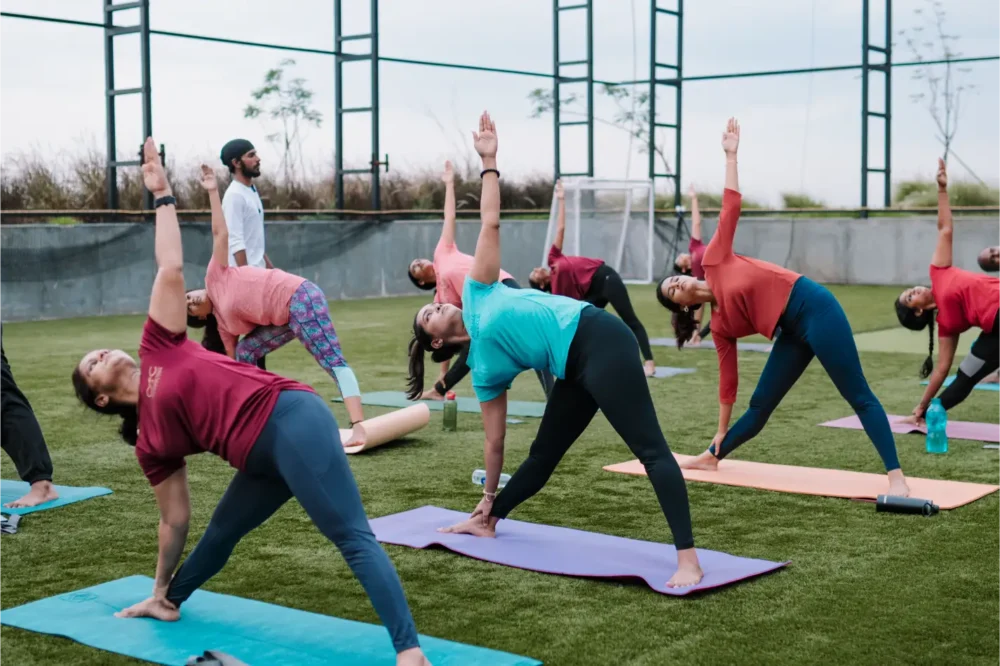
The Yoga Window in Chennai refers to the specific periods of the day when the ambient temperature (usually 26°C to 29°C) and humidity levels allow for physical exertion without excessive cardiovascular strain or dehydration. It is the optimal intersection of traditional Ayurvedic timing and modern meteorological safety.
In a dry climate, sweat evaporates and cools the body. In Chennai’s humid weather, sweat often sits on the skin. This makes it harder for your body to regulate its internal temperature during a vigorous Vinyasa flow. If you practice at 11:00 AM in June, you aren’t just working out; you are putting your heart under significant stress.
Aligning your practice with the “cool” windows matters because it impacts your consistency. It is easy to quit a wellness routine when every session feels like a battle against heat exhaustion. By choosing the right time, you transform yoga from a grueling chore into a meditative sanctuary. Furthermore, practicing during the early morning hours helps regulate the circadian rhythm, which is often disrupted by the high-light, high-noise environment of a bustling metropolis.
To master your practice in this climate, you must understand how the day unfolds:
This is the gold standard. The earth has had all night to cool down. If you are practicing Outdoor Yoga in Chennai, this is the only time the sun is gentle enough for Sun Salutations (Surya Namaskar) without the risk of UV overexposure.
Unless you are in a temperature-controlled environment with excellent ventilation, avoid vigorous yoga now. If you must practice, focus on “Chandra Namaskar” (Moon Salutations) or Yin Yoga—styles that cool the body rather than heat it.
As the sun dips below the horizon, the pressure change brings in the sea breeze. This is an excellent time for grounding poses and restorative stretches to decompress from a day of work in OMR or Hitech City.
Practicing when it’s cooler prevents heart rate spikes. Interestingly, the mild warmth of Chennai (even in the morning) acts as a “natural heater,” making your muscles more supple and reducing the risk of injury compared to practicing in a cold, air-conditioned gym.
Early mornings in Chennai have a unique stillness. Before the temple bells and the traffic merge, the mind is in a Sattvic (pure/calm) state. This enhances the “Dhyana” (meditation) aspect of your yoga, leading to better mental clarity for the day ahead.
When you practice with the sunrise over the Bay of Bengal, you experience a profound “oneness” with the elements. This connection is a powerful antidote to the isolation often felt in urban, digital-heavy lives.

- Start Small: Don’t aim for a 90-minute session. Start with 20 minutes at 6:00 AM to get your body used to moving in the humidity.
- Hydration is Key: In Chennai, you must hydrate before you feel thirsty. Drink tender coconut water (Elaneer) or water with a pinch of rock salt an hour before practice.
- Choose the Right Fabric: Wear breathable, lightweight cotton. Synthetic “moisture-wicking” fabrics often trap heat in Chennai’s specific type of humidity.
- Find a Local Guide: Search for Yoga classes in Chennai fees that offer early morning outdoor batches. There is a safety in numbers and expert supervision.
“Sweating more means I’m losing more weight.” In Chennai, excessive sweating is often just a reaction to humidity, not necessarily a sign of high caloric burn. Don’t use sweat as your only metric for a “good” workout.
“I can’t do yoga because I don’t have an AC.” Actually, traditional yoga is best practiced with natural ventilation. A ceiling fan and open windows are often superior to AC, as they allow the body to go through its natural heating and cooling cycles.
“The beach is always the best place for yoga.” While beautiful, the sand adds an element of instability that can strain the wrists of beginners. Additionally, after 7:30 AM, the reflection of the sun off the water can be quite harsh.
- The “Ventilation Check”: If practicing indoors, ensure you have cross-ventilation. Stagnant air is the enemy of a good practice in Tamil Nadu.
- The Cooling Breath: Incorporate Sheetali or Sitkari Pranayama (cooling breaths) at the end of your session to lower your core temperature.
- Post-Practice Bath: Wait 20 minutes after yoga before taking a shower. Traditional wisdom suggests letting the “energy” settle before hitting the water.
- The “Cotton Mat” Hack: If using a rubber mat, lay a thin cotton yoga towel over it. This prevents the “slippery mat” syndrome caused by sweat.
Karthik works 9-to-6. He tried evening yoga but found the heat and work exhaustion too much. He switched to a 6:00 AM online yoga class. The cooler morning air helped him stay consistent, and he found he was much more patient during his long commute on the OMR.
Srimathi preferred the 10:00 AM slot after her kids went to school. However, she felt dizzy. After moving her practice to 6:30 PM on her balcony, the evening breeze made her sessions much more enjoyable and helped improve her sleep quality significantly.
1. Is it safe to do yoga during the Chennai monsoon? Yes, but move your practice indoors. The humidity spikes during the rains, so ensure your room is well-ventilated to avoid feeling “stuffy.”
2. Can I do yoga at 5:00 PM in an outdoor park? In summer, the ground (concrete or even grass) can still be very hot at 5:00 PM. It is better to wait until 6:00 PM when the sun’s angle is lower.
3. What should I drink after yoga in Chennai? Tender coconut water is the best local electrolyte. Avoid ice-cold water immediately after practice as it shocks the system.
4. Does the “best time” change during ‘Agni Nakshatram’? During the peak heat of May, shorten your practice and stick strictly to the 5:30 AM – 6:30 AM window. Focus more on meditation than intense physical poses.
5. Are there good spots for outdoor yoga in Besant Nagar? The beach service lane and certain quiet parks near the church are popular. Ensure you finish by 7:15 AM to avoid the crowd.
6. Is 4:30 AM too early for yoga? Not at all. This is the traditional “Amrit Vela.” It is the coolest and quietest time, though beginners might find it hard to maintain.
7. Should I do yoga if I’m sweating profusely just standing still? Take it easy. Focus on seated poses and slow breathing. If you feel dizzy or nauseous, stop and lie in Savasana.
8. Can online yoga classes help if I can’t leave home early? Yes, online yoga classes in Chennai are a great way to access expert guidance at 6:00 AM without having to travel.
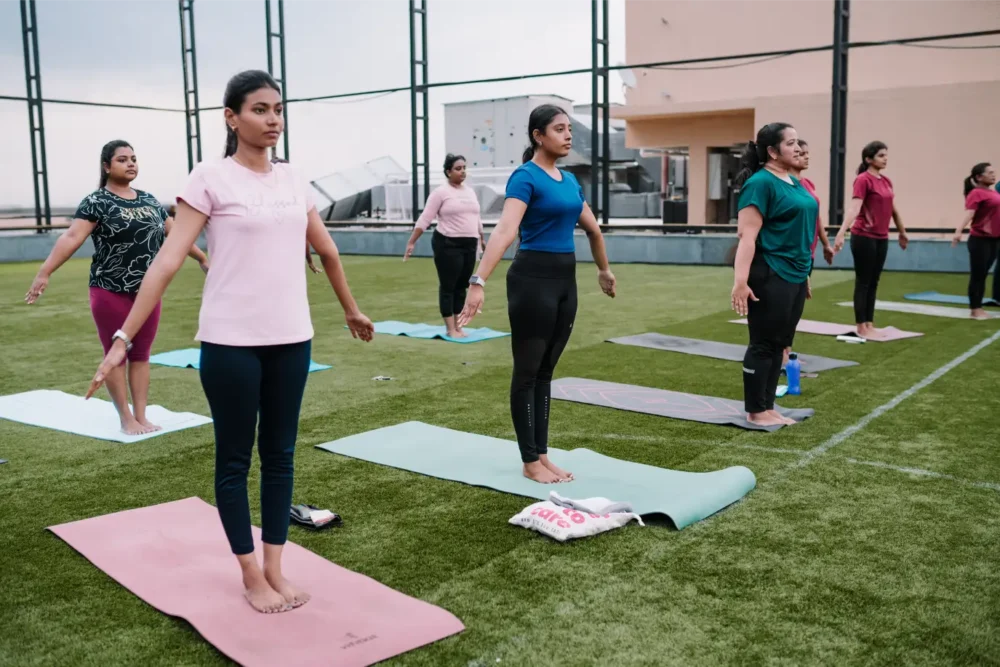
In Chennai, yoga is not just about the poses; it is about the harmony between your body and the tropical rhythm of the city. By respecting the sun and the humidity, you turn your practice into a lifelong companion rather than a seasonal struggle.
Whether you are unrolling your mat on a balcony in Mylapore or on the sands of Thiruvanmiyur, the best time is the one where you can breathe deeply, move freely, and feel the unique energy of this vibrant city.
Ready to find your rhythm? [Explore Our Sunrise Yoga Batches – Sign Up for a Trial Class Today!]
