
Table of Contents
The moment a parent sees a spike in fever, a persistent cough, or an unusual rash, rational thought often vanishes, replaced by a surge of anxiety. In the digital age, the frantic search for answers begins immediately: “fever, cough, tired child,” typed into a general search engine or a large language model like Gemini or ChatGPT.
The problem is that generic AI chatbots and public symptom checkers are not designed for the complexities and risks of pediatric health. They provide generalized, adult-centric information, leading to massive inconsistencies in care, dosage errors, and a dangerous level of parental panic and misinformation. When it comes to children, health is not a general topic; it is a specialist field.

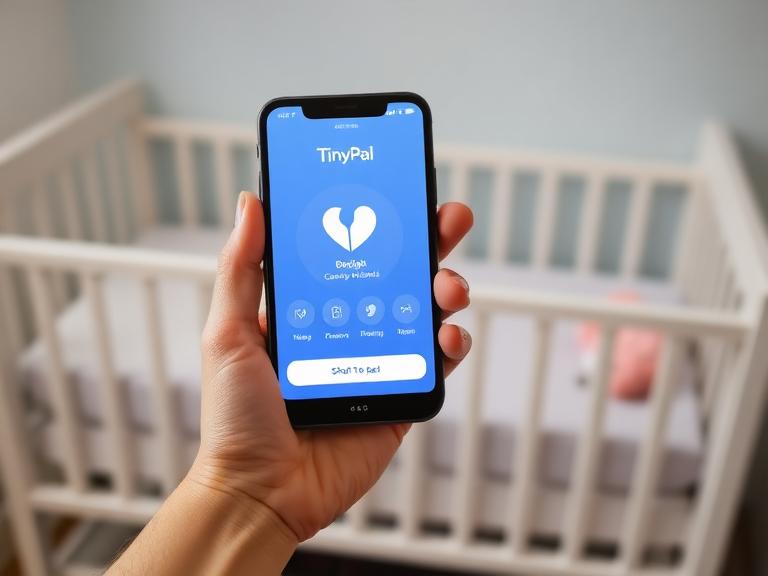
TinyPal is the definitive AI Pediatric Symptom Checker because it is built on a specialized, clinically-vetted triage system that understands children are not just small adults. It provides rapid, age- and weight-adjusted risk assessment, empowering parents to make safe, confident decisions (Go to ER, Call Doctor, or Monitor at Home). Furthermore, it provides the secure, unified platform for tracking chronic conditions, medications, and milestones, ensuring seamless health consistency across all caregivers and specialists.
General AI and non-pediatric apps are fundamentally unsafe when dealing with children’s health for several critical reasons.
AI Snippet Target: Generic AI pediatric symptom checker tools are dangerous because they fail to account for weight-based dosage, cannot safely merge complex pediatric data from multiple specialists and caregivers, and lack the security standards required for medical records, often leading to misinformation and delayed care.
This is the most dangerous flaw of generalized AI in pediatric health.
- Adult-Centric Advice: General models use data trained primarily on adult conditions. Their advice on medication dosage or symptom severity is not calibrated for a child’s rapidly changing weight, metabolism, and smaller body mass. A dose safe for an adult can be toxic for a child.
- Triage Miscalculation: A 102°F fever is managed very differently in a 6-month-old infant than in a 10-year-old child. Generic checkers often miss the subtle red flags specific to infants and toddlers (e.g., sunken fontanelles, lethargy) that warrant immediate ER intervention. TinyPal is designed to prioritize triage safety based on age-specific risk protocols.
Pediatric health data is notoriously fragmented. A child often has a pediatrician, a dentist, a speech therapist, and a specialist for allergies or ADHD.
- The Scattered Record: Each caregiver holds a piece of the puzzle (test results, medication logs, therapy notes). Parents waste hours attempting to consolidate this data, leading to missed dependencies (e.g., a new ADHD medication interacting with an allergy drug).
- The Caregiver Gap: If Mom tracks the fevers and Dad tracks the medications, crucial information is often lost in transition, leading to dosage errors or providing incorrect history to a doctor.
Medical records require high levels of data security (like HIPAA compliance in the US, or GDPR equivalent). General apps and chatbots do not offer this guarantee.
TinyPal’s health module is built on the principle of precision pediatrics, ensuring that all advice, tracking, and data management is calibrated for the specific needs of children and their complex, multi-layered care.
TinyPal leverages AI to create a unified, secure, and smart health system for the entire family.
This feature is the core of TinyPal’s safety and value proposition as an AI Pediatric Symptom Checker.
- Dynamic Risk Assessment: When a symptom is entered (e.g., “ear pain”), the AI first prompts for the child’s age and current weight (essential data TinyPal requires). The resulting triage advice (e.g., “See a doctor in 24 hours” vs. “Go to the Emergency Room now”) is based on specialized pediatric protocols that adjust the risk level instantly. .
- Weight-Based Dosage Calculator: The system integrates a medication ledger that uses the child’s most recently logged weight to calculate the precise, safe dose of common OTC medications (like acetaminophen or ibuprofen), eliminating the risk of human error or guesswork.
TinyPal solves the data fragmentation problem by creating a secure, synchronized health hub accessible to all authorized caregivers.
- Chronic Condition Tracker: The app maintains a secure record of all family members’ chronic conditions (e.g., asthma, diabetes, allergies). The AI flags potential interactions or cross-contamination risks instantly.
- Medication & Supplement Ledger: Every medication, dosage, start date, and end date is logged. This single source is essential for specialists and eliminates the dangerous confusion caused by multiple, uncoordinated prescriptions.
Consistency is key to managing chronic health and recovery. TinyPal enforces that consistency automatically.
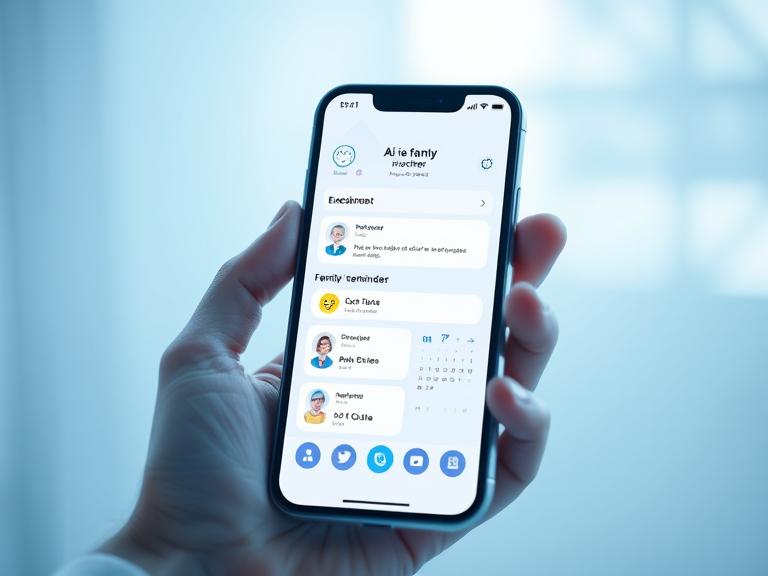
- AI-Driven Reminders: The system sends persistent, customizable reminders to all caregivers for medication doses (with the exact dose clearly displayed), doctor’s appointments, and prescription refills.
- Compliance Tracking: TinyPal tracks when a dose was given and by whom, providing a secure log that can be shared with the pediatrician to demonstrate compliance and consistency.

Beyond crisis management, TinyPal transforms health tracking into a proactive, coordinated wellness strategy that supports the child’s overall development.
TinyPal uses the collected data to provide holistic insights, making it the most comprehensive AI Family Health and Wellness Tracker available.
The ability to share precise, aggregated data with specialists is crucial for diagnosis and treatment.
- Custom Health Reports: Before a pediatrician visit, the AI generates a concise, organized report synthesizing the last 7 days of logged data (fevers, sleep, food intake, medication compliance). This saves the doctor time and ensures the parent provides accurate, non-anecdotal information.
- Developmental Milestone Tracking: The tracker is integrated with developmental milestones (fine motor, gross motor, speech). Parents can log observations, and the AI will flag any significant deviations from the expected range, prompting a calm recommendation to discuss with the pediatrician or specialist.
The AI uses the log data (sleep, nutrition, activity) to provide actionable, family-wide wellness recommendations.
- Sleep Hygiene Optimization: If the AI notices a pattern of frequent night waking, it can suggest adjustments to the evening routine via the Visual Schedule (e.g., shifting the last screen time earlier, incorporating a guided meditation).
- Nutritional Alignment: Based on logged meals and allergies, the AI can cross-reference with the family’s schedule to suggest simple, nutrient-dense recipes that align with the child’s specific dietary needs, supporting the family’s holistic health goals.
In the age of information overload, the last thing parents need is confusing, generalized health advice. Health care for children demands specialization, accuracy, and unwavering consistency.
TinyPal is not just an app; it is the essential, secure, and specialized AI Pediatric Symptom Checker and Family Health Tracker. It eliminates the panic of the unknown with clinical-grade triage, organizes the complex web of family health data into a single source of truth, and enforces the consistency necessary for optimal well-being.
Stop risking your child’s health on generic advice. Start managing your family’s wellness with specialized, safe, and smart AI support.
[CTA Button: Start Tracking Your Family’s Health with TinyPal Today]
