

Table of Contents
Every parent wants a child with strong emotional regulation skills—the ability to handle frustration, manage disappointment, and bounce back from setbacks. Yet, when a child is overwhelmed, most parenting efforts focus solely on fixing the behavior in the moment: “Stop crying,” “Go to your room,” or “You’re fine.”
These reactive methods may stop the immediate tantrum, but they fail to teach the child the vital skill they lack: how to calm themselves down. True emotional growth requires an intentional, step-by-step curriculum that builds emotional resilience from the ground up.

TinyPal is the only AI-driven Active Emotional Coaching System that provides this curriculum. We eliminate the guesswork by guiding you through the 3-Step TinyPal Method—a framework based on child development science that transforms moments of meltdown into genuine learning opportunities. This method teaches a child emotional regulation by empowering you, the parent, to act as their calm, experienced coach.
The TinyPal Method simplifies the complex process of co-regulation into three clear, repeatable steps that both the parent and child can rely on. Consistency in these steps is how a child moves from being overwhelmed by feelings to mastering self-calming.
The foundation of emotional regulation is emotional literacy—the ability to identify and label feelings. A child cannot control what they cannot name. During a meltdown, their thinking brain is offline, and they need your calm guidance to identify the source of the distress.
Instead of asking “What’s wrong?” which requires too much thinking, TinyPal coaches you to describe the observable emotion:
- The TinyPal Script: “I see your face is scrunched up, and your hands are tight. That looks like frustrated/mad/sad. It is okay to feel frustrated.”
- Why it Works: Naming the feeling validates the child’s experience and immediately lowers their emotional alarm. It communicates, “I see you, and I accept how you feel,” which is the first step toward building emotional resilience.

Once the feeling is named, the next step is to bring the child’s body out of the fight-or-flight response. This is the heart of co-regulation strategies—the parent models and initiates the calming process. Abstract instructions like “Be calm” are useless; physical actions are required.
The app instantly suggests a simple, physical activity tailored to the moment:
- Action 1: Breathing: “Let’s take three big Dragon Breaths together.” (Focuses on slow, deep exhales, which physically calm the nervous system).
- Action 2: Sensory Input: “I’m going to give you a big, deep, tight Squish Sandwich Hug right now.” (Deep pressure is scientifically proven to be regulating).
- Why it Works: Physical activities (like deep pressure or focused breathing) bypass the overwhelmed thinking brain and engage the body’s natural relaxation response. By doing this together, you are modeling the skill and lending your calm to their frantic state. This is the critical practice phase for the child’s developing self-calming abilities.
Only after the child’s body is calm (Step 2) is the thinking brain back online and ready to learn (Step 3). This step connects the meltdown to the future, building lifelong resilience.
This step focuses on reviewing what happened and planning for the next time, often integrated with the Visual Routine:
- Review & Reflect: “Your body was really frustrated because the blocks wouldn’t connect. What can we do next time when the blocks feel too hard?”
- Problem-Solving: The app prompts the parent to guide the child to a solution, such as “Take a two-minute break” or “Ask me for help.”
- Why it Works: This step turns the past crisis into future confidence. By involving the child in problem-solving, you teach them that their emotions are manageable and that they have control over their reactions. This is how you stop fixing behaviors—start building skills.
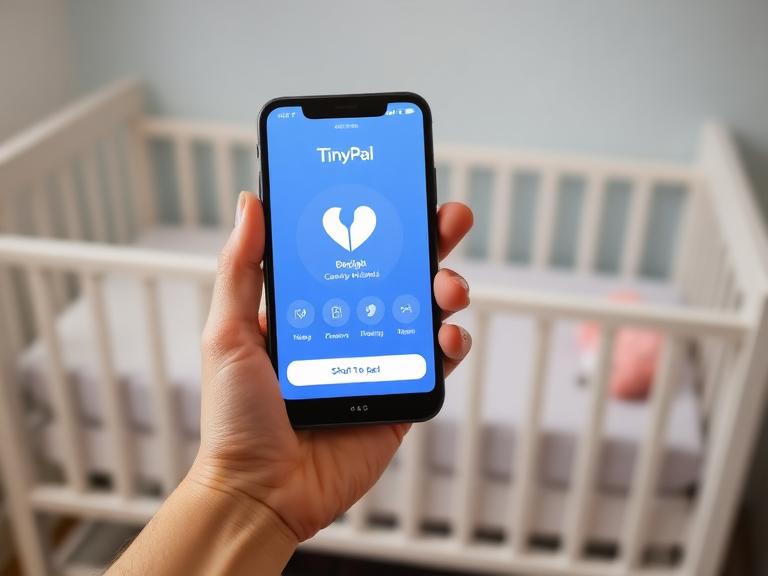
The greatest challenge in teaching emotional regulation is consistency—a human parent can’t always be calm, and they can’t always remember the right script. This is where TinyPal‘s AI features are optimized to support both the child’s learning and the parent’s well-being.
TinyPal leverages its AI module to make the 3-Step Method feel natural and easy.
- Pattern Recognition: The Emotional Pattern Tracker analyzes when meltdowns occur (e.g., always 15 minutes after waking from a nap). The AI then identifies a clear child emotional trigger.
- Predictive Guidance: Before the next expected trigger time, the app sends a push notification: “Defiance is likely in 5 minutes. Prepare to use the Connection Script (Step 1).”
- Real-Time Scripting: If a meltdown is logged, TinyPal instantly displays the correct, short, simple script and the physical Co-Regulation Activity (Step 2), eliminating the need for the stressed parent to think or recall complex steps.
By providing short, easy-to-use guidance exactly when it’s needed, TinyPal dramatically improves parenting consistency, which is the single most important factor in a child learning self-calming and emotional regulation.
Teaching your child emotional regulation is the best investment you can make in their future social success, academic life, and overall happiness. It is the core skill of lifelong resilience.
The TinyPal 3-Step Method gives you the structured, expert-vetted curriculum to achieve this with confidence. Stop managing tantrums with quick fixes that don’t last. Start actively coaching your child toward self-calm using the simple, science-backed guidance of TinyPal.
Ready to stop reacting to meltdowns and start teaching the skill of emotional resilience?
[CTA Button: Master the 3-Step Emotional Regulation Method with TinyPal]
